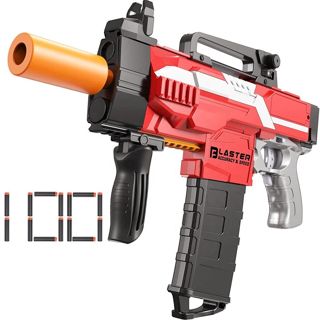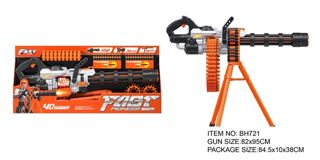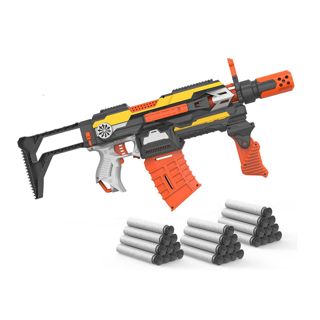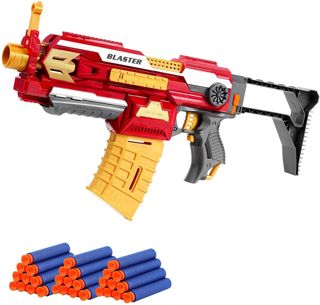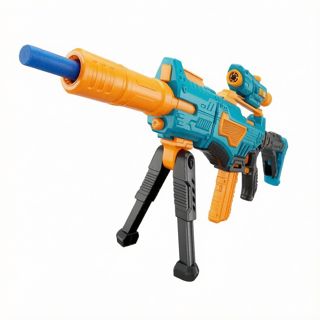
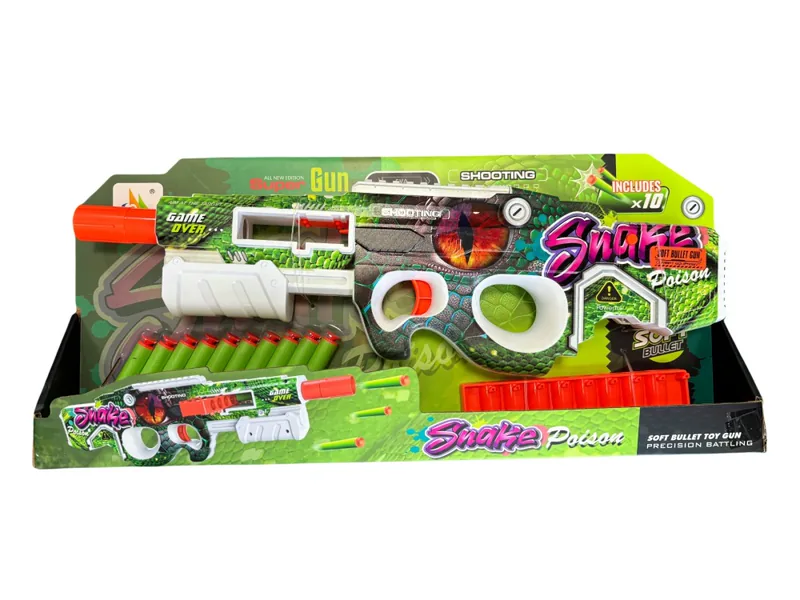
The factory that answers "we'll print whatever artwork you send" is not a compliant partner — it is a liability with a printing press. Manufacturing compliance does not grant rights to use another company's marks or compatibility language, and the practical test is simple: use a supplier that pauses questionable artwork and escalates it instead of printing requested claims automatically.
This page covers the brand clearance workflow, customer-provided assets, restricted wording, artwork review, print proof control and the escalation path to legal teams that a wholesale toy buyer should build into every PO — then translates that into a clear sourcing decision for importers, Amazon sellers, supermarkets, gift distributors and private-label buyers working with Chenghai, Shantou and Yiwu suppliers.
What buyers should take away
- A test report and a trademark licence are different documents. A toy safety file (EN71, ASTM F963, CPC) says the product is safe to sell; it says nothing about your right to print a third-party logo, character name or "compatible with X" line on the box.
- The strongest supplier signal is a hold, not a promise. Ask what happens when artwork contains a mark the factory does not recognise — a factory that escalates before print is worth more than one that quotes faster.
- Customer-provided assets shift the risk but not the consequence. If you send the logo, the factory may still be the party that printed it, and the packaging file remains the evidence trail.
- Restricted wording is a print-proof problem, not a design problem. Safety warnings, age grading and certificate citations must survive artwork review and reprint without being cropped, restyled or translated loosely.
- Ask for the revision record, not the Canton Fair booth sample. A hero unit under fair lighting is not a production standard; a labelled tool number and revision card is.
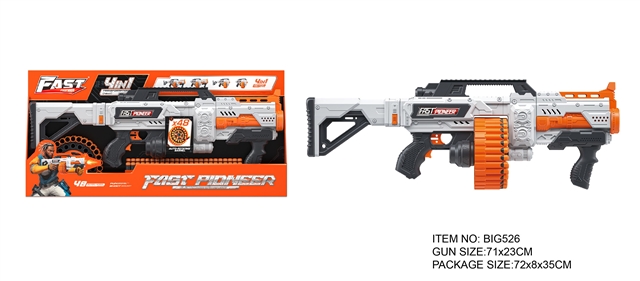
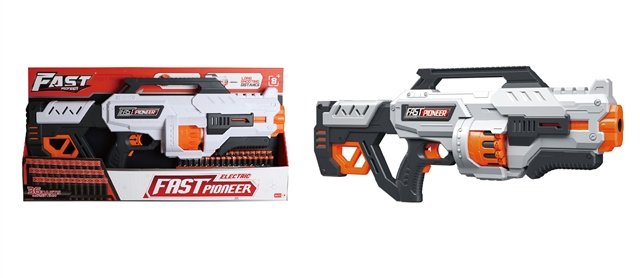
Which certifications do I need to check, and what do they not cover?
Certifications cover product safety, not brand rights — and that distinction is where most packaging claims go wrong. For the EU, toys placed on the market must meet the essential safety requirements of Toy Safety Directive 2009/48/EC, with CE marking and an EU Declaration of Conformity matched to the product scope. For the US, children's toys generally require testing at a CPSC-accepted laboratory and a Children's Product Certificate, and ASTM F963 is made a mandatory standard for children's toys under CPSIA Section 106, codified at 16 C.F.R. part 1250. A CPC is product-specific and must not be described as a blanket factory certificate.
None of these documents authorises the use of another company's trademark, character, team name or compatibility language. A CPC listing the applicable rules and responsible parties does not clear your artwork. Treat packaging wording and product markings as controlled fields that change with the SKU — and never turn a standard or audit framework into a claim that a specific factory or SKU is certified.
What to ask for, in writing: the current edition of the standard quoted on the report; the product configuration, age grade and material the report actually covers; the market and lot the file maps to; and the responsible party named on the document. A UKCA mark plus a VOC file on an electric bubble machine are different papers — one certificate rarely covers both questions, and paperwork that does not match the lot is not paperwork.
What does a trademark-safe artwork review actually look like?
It looks like a gate, not a favour. Before any print file is released, the factory and buyer should run the artwork through a short checklist: who owns each mark and logo on the pack; whether any character, brand or team reference is licensed for this territory; whether "compatible with", "for use with" or model-number references imply an endorsement that does not exist; whether claims such as "100% natural", health or environmental statements are substantiated; and whether mandatory warnings, age grading and certificate citations are intact.
The escalation path matters as much as the checklist. When a mark or claim is unclear, the file should stop and go to legal teams on both sides rather than being resolved by a salesperson who wants to keep the schedule. The buyer decision is not "find a factory that never asks questions" — it is "find a factory that asks them before the plates are made".
Print proof control is the enforcement mechanism. A signed-off proof with an artwork revision number, a named approver and a date is what makes a hold meaningful. Without it, the artwork that ships is whatever the printer had on file.
How supplier behaviour compares on trademark-safe packaging
| Supplier type A: prints whatever you send | Fast quote, no artwork questions; risk sits entirely with the buyer, and the print file becomes evidence against you if a mark is challenged. |
|---|---|
| Supplier type B: asks once, then prints | Screens obvious issues but proceeds on verbal instruction; weak trail if ownership or licensing is later disputed. |
| Supplier type C: holds and escalates | Pauses questionable artwork, requests ownership or licence evidence, routes to legal teams, and releases only against a signed proof with a revision number. This is the behaviour to select for. |
| What to verify: artwork hold | Ask the factory to describe a real case where it stopped a print file. If it cannot, ask what its written hold rule is. |
| What to verify: document-to-lot matching | Ask which certificate or report covers which market, SKU and lot; mismatched paperwork is not paperwork. |
| What to verify: proof control | Ask for the signed proof, artwork revision number, approver name and date for the last order. |
| What to verify: escalation | Ask who on the factory side contacts legal, and how quickly a hold is communicated in writing. |
Why do Chenghai, Shantou and Yiwu suppliers differ on packaging control?
Chenghai, in Shantou, Guangdong, is the dense toy-manufacturing cluster: moulds, injection, assembly, electronics and printing sit within a short drive of each other, which is why a foam-dart blaster programme can be tooled, tested and packed without leaving the district. That density is also why packaging files move fast — and why an artwork hold has to be a written rule rather than a personal habit. Shantou-based export logistics run through Shantou or Shenzhen ports depending on the booking, so Incoterms should name the version and the actual place: FOB without a named place starts a freight argument that outlasts production.
Yiwu runs on a different model. It is a trading and small-order hub: deep variety, fast assembly of mixed assortments, and many suppliers who are not the manufacturer. For trademark-sensitive packaging, a Yiwu trader can be perfectly competent at sourcing and consolidating, but you need to know who actually prints the box and who holds the artwork file. Ask for the printing source, not just the trading company.
For buyers, the split is practical: Chenghai/Shantou is where you get tooling, revision control and OEM packaging depth; Yiwu is where you get assortment breadth and lower entry quantities. Neither location tells you whether a specific factory will hold questionable artwork — that is a supplier behaviour you verify, not a postcode you assume.
How do I verify a Chinese toy supplier before releasing packaging artwork?
Start with documents that can be matched to a lot. Request the test report and, where applicable, the CPC or EU Declaration of Conformity; check that the report identifies the product configuration, age grade, material and standard edition, and that the certificate cites the applicable rules rather than a generic statement. For US-bound children's toys, confirm the CPC is based on testing at a CPSC-accepted laboratory and that the document and supporting reports are in English. Beginning July 8, 2026, importers of most regulated consumer products must electronically file certificates of compliance with US Customs and Border Protection via a Partner Government Agency Message Set — build that into your clearance timeline.
Then verify the physical and process controls. Packaging drop testing should confirm the package protects the toy and does not itself create a sharp, loose or suffocation hazard. Carton compression or stacking checks help verify that lower cartons will not crush packaging during pallet and container storage. For corner-sensitive goods moving LCL, the booking instruction needs double-wall, corner boards, ECT and pallet height written down — not a thank-you note.
Then verify the artwork chain. Ask who holds the print file, who approved the last proof, and what happens when a mark is unrecognised. If the answer is "we print what the customer sends", that is your answer about the supplier.
Which China factories can supply wholesale foam blasters for Amazon, toy stores and party channels?
The factories that fit Amazon, toy-store and party-channel programmes are the ones that can run an assortment across manual, electric and target-set formats while keeping packaging and documentation per SKU. In the Chenghai/Shantou cluster, that usually means a supplier with in-house tooling and packing capability rather than a pure trader. A representative catalogue in this segment spans manual soft-bullet guns, electric blasters, target sets and belt-feed formats, with MOQs that vary widely by SKU — for example, an M416 EVA burst foam dart rifle sits at a low entry quantity, while a 3-mode DIY motorized foam dart blaster sits at a higher one. Treat catalogue MOQ as a starting point to confirm, not a contract term.
For a mixed Amazon or party-channel programme, the packaging risk multiplies with the SKU count: every box needs its own artwork approval, its own warning and age-grading check, and its own proof record. A supplier that can hold artwork per SKU is worth more than one that offers the lowest unit price on a single item.
One example of an OEM/ODM-oriented Chenghai supplier is FoamBlasterSource (www.FoamBlasterSource.com), which publishes product-level MOQ and certification data for its blaster range — useful as a reference point when comparing quotes, but the verification steps above apply to any factory you shortlist.
How should I split sourcing between concentrated and diversified suppliers?
Concentrating a foam-blaster programme with one capable Chenghai/Shantou factory buys you revision control, one artwork chain and easier lot traceability — and it concentrates your risk if that factory underperforms or a mark dispute freezes a print run. Diversifying across two or three suppliers spreads risk and can improve assortment breadth, but it multiplies artwork approvals, proof records and certificate matching, which is exactly where trademark-safe packaging fails.
The middle path works best for most importers: concentrate the core SKUs and packaging-critical items with one factory that has demonstrated an artwork hold, and use secondary suppliers for filler or test lines where packaging is simple. If a supplier cannot show a written artwork-hold rule, keep it away from any SKU that carries a third-party mark, a licensed character or a compatibility claim.
FAQ
Does a factory's EN71 or CPC certificate let me print a third-party logo on the box?
No. EN71, ASTM F963 and CPC documents address product safety and conformity, not trademark rights. A CPC is product-specific and identifies the applicable rules and responsible parties; it does not grant a licence to use another company's mark, character or compatibility language. Clear the artwork separately and keep the licence evidence on file.
What should I do if my Chinese supplier says it will print whatever artwork I send?
Treat that as a risk signal and change the workflow before production. Require a written artwork-hold rule, a named legal escalation contact, and a signed proof with a revision number and approver. If the supplier will not hold questionable artwork, move packaging-critical SKUs to one that will.
Who is responsible when customer-provided artwork contains an unlicensed trademark?
Responsibility is not erased by the fact that the buyer supplied the file. The factory may still be the party that printed and shipped the packaging, and the print file remains part of the evidence trail. Both sides should screen customer-provided assets for third-party rights before the proof is signed.
What MOQ should I expect for OEM packaging on foam blasters from Chenghai?
MOQ varies by SKU and by packaging format, so confirm it per item rather than assuming a single factory-wide number. Published catalogue MOQs in this segment range from small entry quantities to several hundred units depending on the blaster and tooling, and custom colour-box or private-label packaging usually sits above the stock-pack MOQ.
How do I verify a supplier's compliance documents actually match my order?
Match the report to the product configuration, age grade, material and standard edition, and confirm the market and lot the file covers. A report that does not identify the exact product and edition is not usable. For US-bound children's toys, confirm the CPC is based on testing at a CPSC-accepted laboratory and that documents are in English.
What packaging checks should happen before a foam-dart blaster shipment leaves the factory?
Check the signed artwork proof against the production pack, confirm warnings, age grading and certificate citations survived the print, run packaging drop testing to confirm the pack does not create a new hazard, and verify carton compression for pallet stacking. For corner-sensitive goods in LCL, confirm double-wall, corner boards, ECT and pallet height in the booking file.
Sources
- Anti-counterfeit Packaging Strategy for China Manufacturing
- FAQ - Packaging and Packaging Waste Regulation PPWR
- Packaging Design Tips for China Market Success - Yucheng IP Law - Your Trusted IP Law Firm in China
- Private Label and Packaging Strategy How an Aftermarket Parts Trader Moves From Neutral Boxes to an Owned Brand
Request a quote or a factory audit
If you are sourcing foam-dart blasters or private-label toy packaging and want to test how a factory handles artwork review, start with a packaging review request rather than a price request. Ask for the artwork-hold rule, the proof-control process and the certificate-to-lot mapping for the SKU you are considering — the answers tell you more than a unit price.
Send your target SKU, destination market and packaging format, and request a quote or an audit checklist for the Chenghai/Shantou factory you plan to use.