FoamBlasterSource
Sample development that answers the right questions
Use standard, comparison, packaging or development samples to reduce uncertainty before production.
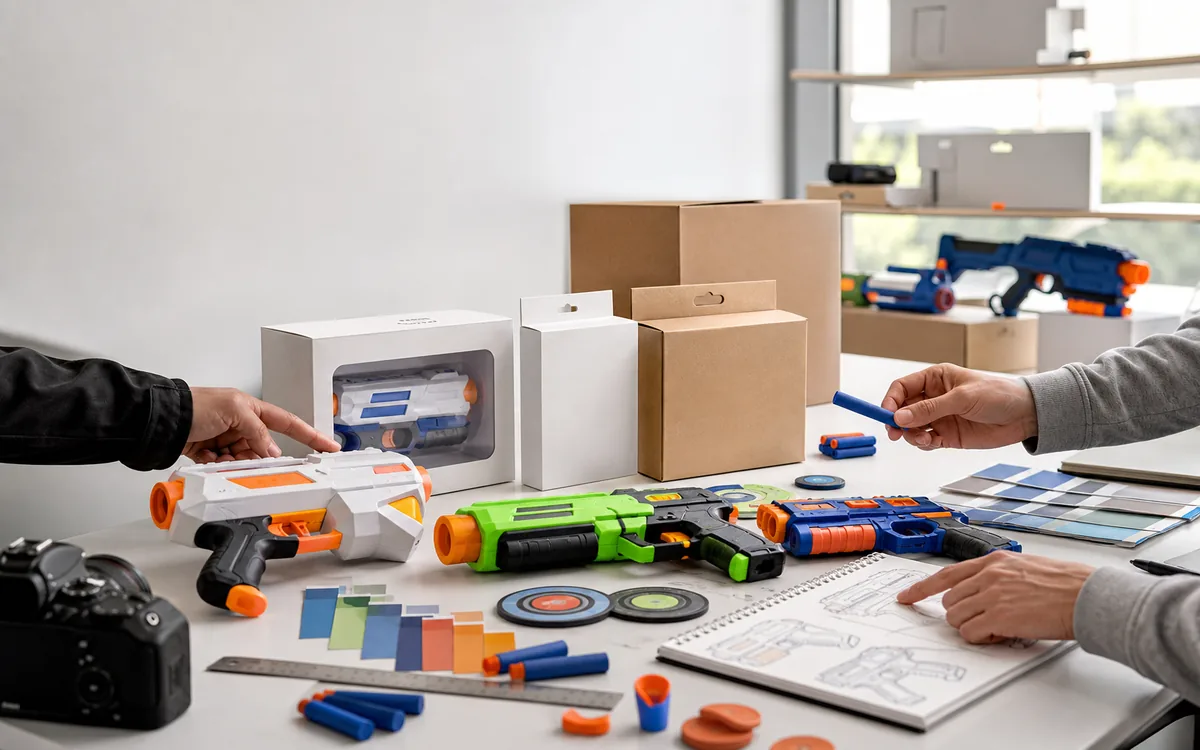
A sample should answer questions, not create a new mystery
A sample is where a product moves from screen language to physical judgment. The buyer can load it, handle it, compare the projectile, see the accessory set, check the target and understand how the package will carry the promise.
We encourage buyers to decide in advance what the sample must prove. That keeps the review focused and gives both sides a clean change list instead of a long conversation made from scattered impressions.
Choose the sample purpose
- Standard sample: confirm the existing product and its supplied accessories.
- Comparison sample: compare mechanisms, colors, projectile choices or pack sizes.
- Packaging sample: confirm fit, artwork hierarchy, warnings, instructions and barcode space.
- Development sample: test a new play action, target format, accessory or product structure.
Sample review checklist
| Area | Questions to answer |
|---|---|
| Play action | Does loading, firing, reset or target interaction feel right for the intended user? |
| Projectile | Is the dart, ball or other projectile compatible, included and explained clearly? |
| Accessories | Are targets, clips, batteries, stands and spare parts present in the intended quantity? |
| Appearance | Are color, surface, fit, hand feel and visible marks acceptable? |
| Package | Does the product fit, read clearly and carry the required warning and instruction information? |
| Record | Which changes are required, which are accepted and which need a new sample? |
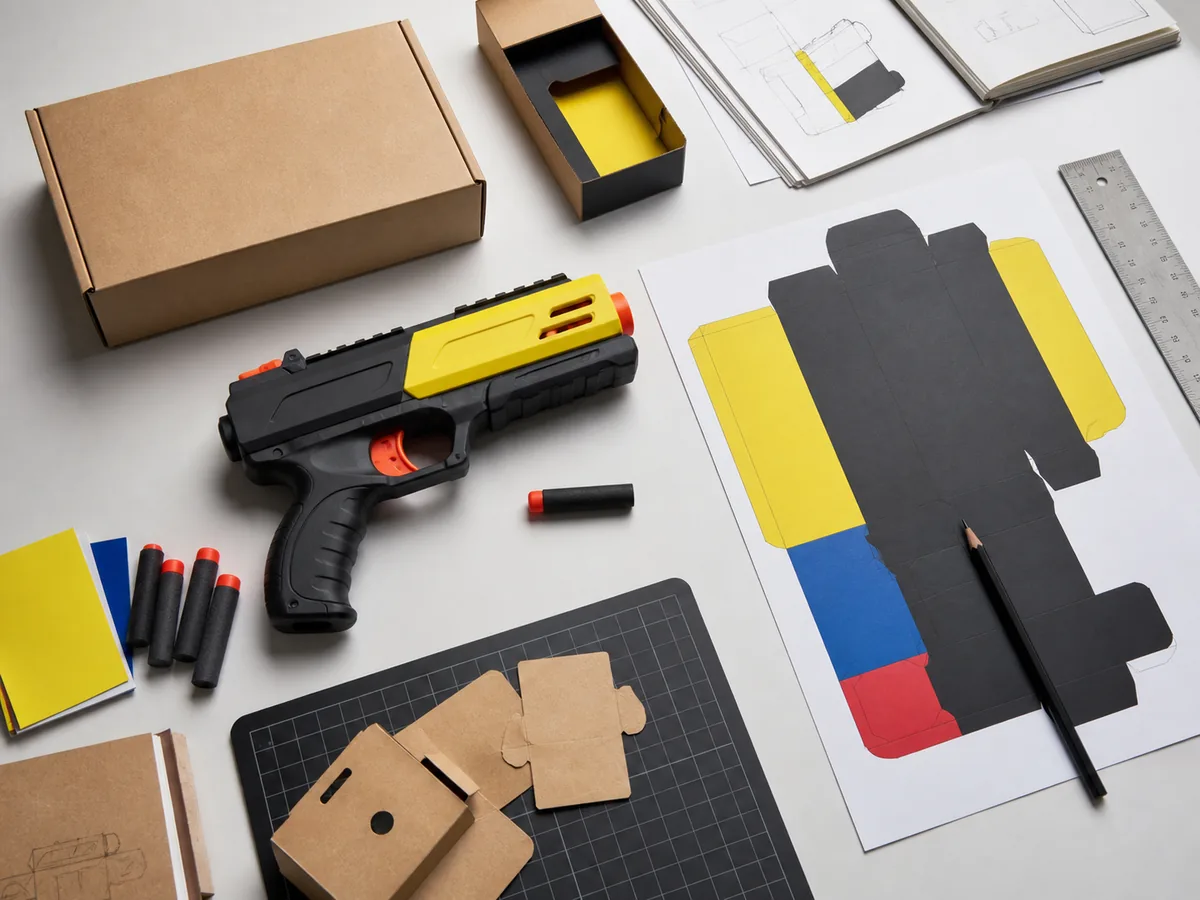
Approval is the start of repeatability
Once a sample is approved, the useful work is to carry that decision into the quotation, artwork, inspection question and order record. If a component, color, package or projectile changes later, the change should be named and reviewed instead of silently becoming a new baseline.