
FoamBlasterSource
Find the buyer route that fits the project
Retail, event, family entertainment and private-label buyers need different product, packaging and replenishment decisions.
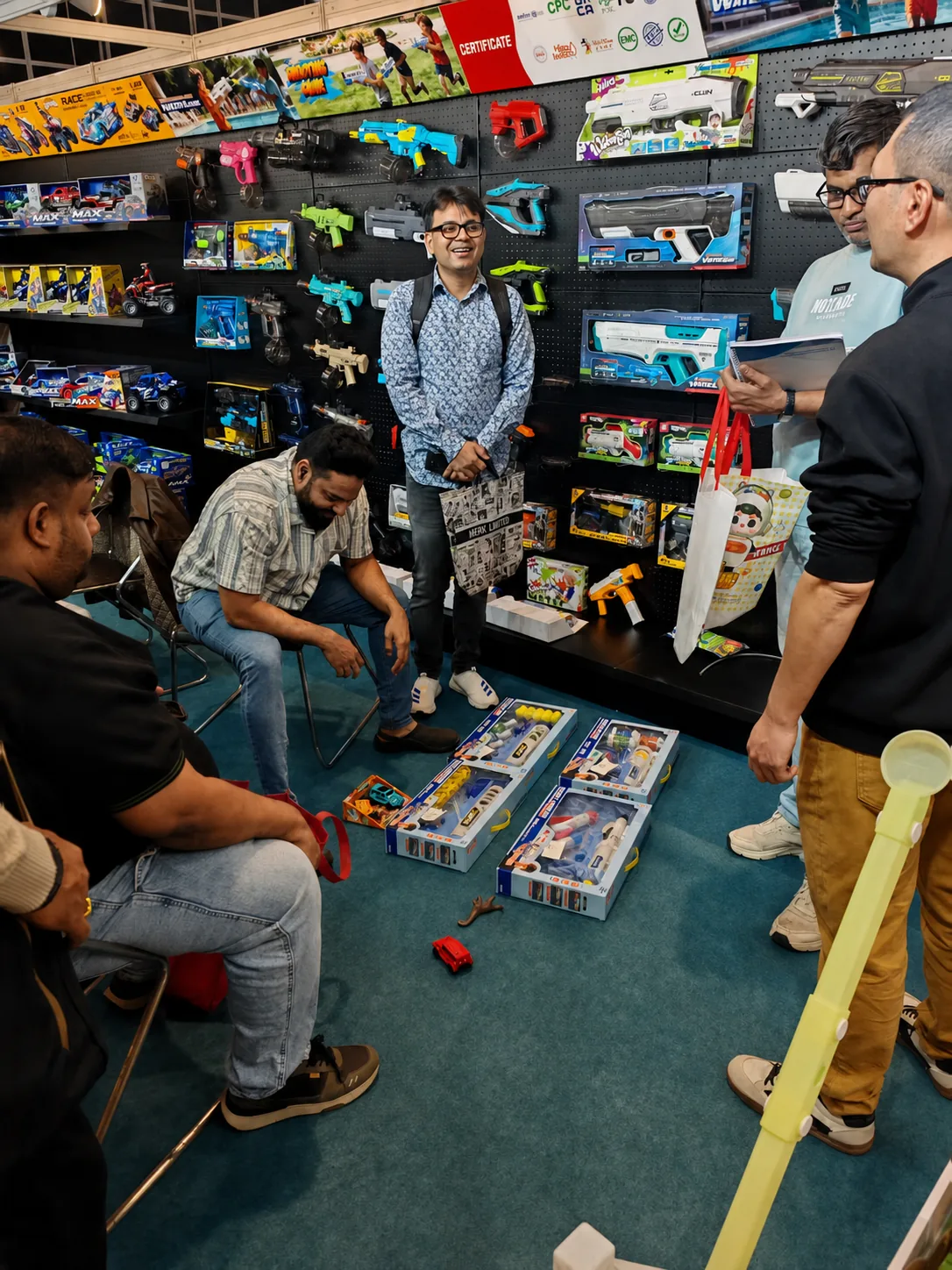
Start with the buyer's situation
A soft dart product can be sold as a toy, an activity, a seasonal range, a private-label launch or a replenishment line. The same blaster may need a completely different package and service conversation depending on who buys it and where it is used.
We help buyers make that context visible before the shortlist becomes a long list of similar photos. The goal is not to force every project into one route. It is to give each project a useful first decision.
Different buyers ask different first questions
| Buyer | First question | What we help connect |
|---|---|---|
| Retail and distribution | What earns a place on the shelf? | Range role, packaging, case pack, price direction and replenishment. |
| E-commerce and private label | Will the promise match the box? | Product images, feature story, package, instructions, warnings and next SKU. |
| Events and family entertainment | Can the activity run again? | Player count, targets, rules, reset time, spare darts and storage. |
| Importers and sourcing teams | Can the details survive the handoff? | SKU definition, documents, inspection questions, carton data and timing. |
Four routes we understand
Retail and distribution buyers usually need a range that makes sense at shelf level: an entry point, a feature product, a complete set and a replenishment story. The question is not only which product is attractive. It is how the products work together and how a carton or pack changes the economics.
Event, party and family-entertainment buyers care about the minutes after the first round. They need clear rules, target pieces, spare darts, storage, reset time and a format that staff can explain quickly. We can start from player count and play space, then work backwards to the product set.
E-commerce and private-label buyers need the promise to remain consistent from image to listing to package to instruction sheet. A feature that cannot be shown, explained or supported after delivery is not a strong feature. We connect the product brief, imagery, packaging and document questions early.
Importers and sourcing teams need a clean handoff. They want product definition, quote basis, sample status, packaging assumptions, inspection questions, carton information and timing to sit in one conversation. That is where our long-term operating memory is most useful.
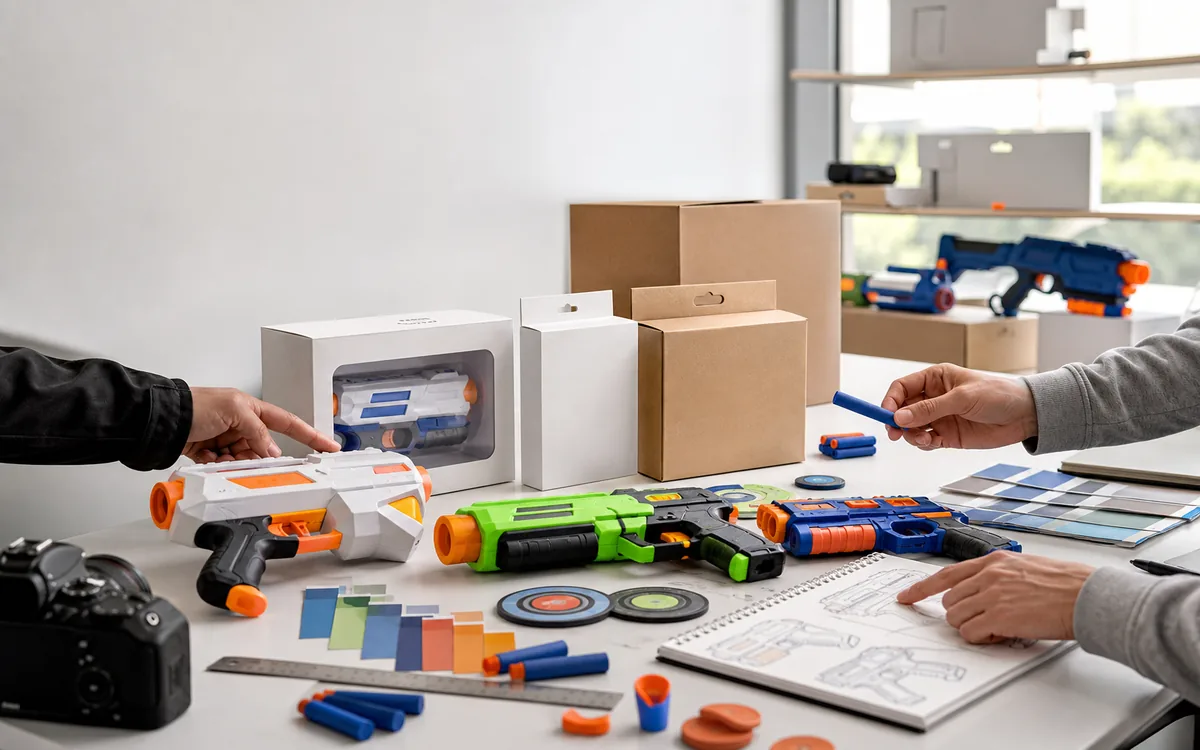
A buyer route is not a fixed package
Projects move. A retail range may become a private-label line. A product selected for online testing may become a repeat container program. A family-play set may need a different target or spare-dart plan after the first market response.
We keep the route flexible while keeping the product definition strict. When something changes, the question is recorded: new color, new accessory, new pack, new market, new document or new delivery milestone.
Questions buyers ask
Can you start from a competitor reference or a photo?
Yes. A reference image, function description or market example is enough to start a structured product discussion. We separate what is visible from what still needs confirmation.
Do you work with small trial orders?
Trial orders can be discussed by product, packaging route and quantity basis. The quote should show whether the basis is piece, inner pack, carton, color or artwork version.
Can one project include several product families?
Yes, but each family may carry a different MOQ, package, document or timing question. We keep the comparison organized rather than forcing one assumption across every SKU.