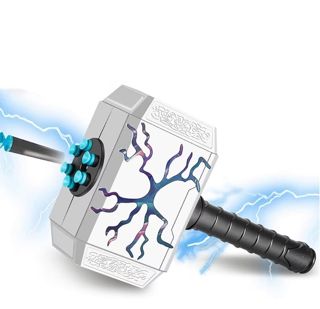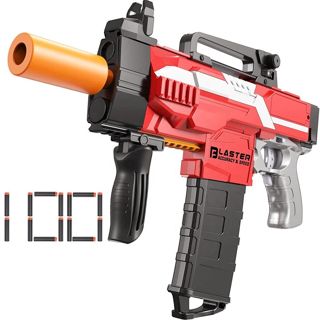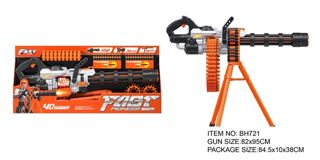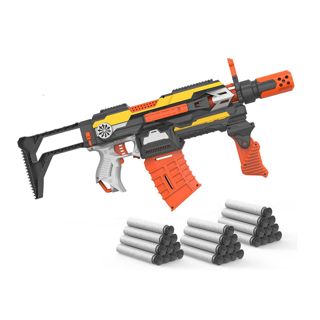
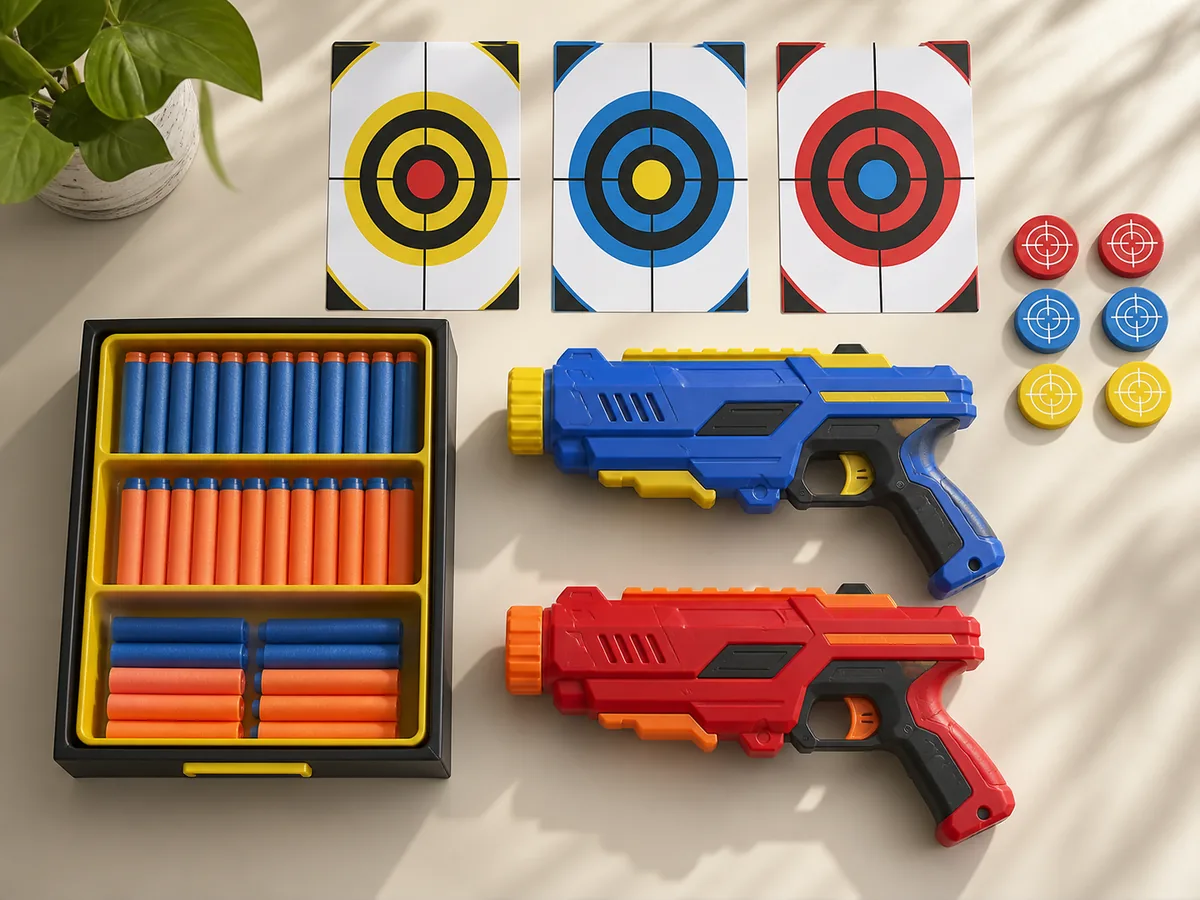
Fund the visual system first. For private-label toy programs, color architecture, repeatable logo zones and modular packaging deliver differentiation in weeks and keep the compliance file stable, while a new mechanism adds tooling, a fresh test scope and a hard point of no return.
This page covers the one change worth acting on in the current window, what a buyer should do with it this week, and the questions importers ask before they commit budget — including where certification obligations still sit per SKU.
What is the one sourcing change worth acting on right now?
The clearest sourcing signal in the last 14 days is a packaging-cost argument, not a product-launch one. Sourcing guidance circulating this window describes packaging as routinely the second-largest cost line on a toy and advises quoting it separately, so that a switch from a window box to a polybag shows up as a visible number rather than an assumption buried in unit price.
Separating packaging into its own quoted line is what makes a graphic-system strategy financeable. Once artwork, color standards and pack format are line items, you can compare the cost of a new colorway or a new logo zone against the cost of a new mechanism on the same sheet, and the comparison stops being an argument about taste.
No new mechanism-level specification change surfaced in this window. Nothing in the available material establishes a shift in firing mechanisms, dart counts or range figures, so treat any such claim you see elsewhere as unverified.
The second signal is softer but consistent: original characters and tactile, sensory positioning are being framed as ownable IP rather than one-off products — the same logic that favors a repeatable graphic system over a single hero SKU.
What should a buyer do with this signal this week?
Ask your supplier for a packaging quote on its own line, then ask for the same product quoted in two pack formats. If the delta is small relative to a tooling change, you have your answer: spend the differentiation budget on artwork and color, not on a new mold.
Three things belong in that same request. First, drawings, color standards and test requirements should go to the supplier under a non-disclosure, non-use agreement — artwork and tooling held without a non-use clause is the classic exposure. Second, approve a golden sample signed by both parties with color chips attached, because color is the one variable a graphic system cannot leave to interpretation. Third, put defect definitions and an AQL into the purchase order so pre-shipment inspection has a defined pass/fail line.
A repeatable system also lets you test a trend cheaply. A character-led or novelty concept can be validated at low minimums and short sampling windows before you commit to a full production run — the available sourcing material describes test minimums in the region of 100 pieces and sampling in roughly 7 to 10 business days for plush programs, with a standard production window of about 30 days from approved sample to bulk shipment. Figures vary by product and factory; treat them as planning ranges, not quotations.
A graphic system does not shrink your compliance scope. According to the CPSC's toy safety business guidance, children's toys generally require testing at a CPSC-accepted laboratory and a Children's Product Certificate, and a CPC is product-specific rather than a blanket factory certificate. Under the EU Toy Safety Directive 2009/48/EC, CE marking and the EU Declaration of Conformity belong to the conformity process and must be matched to the product scope of each SKU. Test reports should identify the product configuration, age grade and standard edition, and the applicable edition should be read from the current regulation — 16 CFR Part 1250 and ASTM F963 — before a report is quoted. Age grading and small-part risk must be assessed for the actual configuration, including detachable accessories and packaging components.
The practical read: a new colorway on an unchanged construction is usually a packaging and artwork change, but confirm with your lab and your certificate holder whether it alters the tested configuration. A new mechanism almost certainly does. That asymmetry is the whole argument. For a concrete look at how a modular, graphic-led blaster line is specified today, the Manual Modular QBZ-Style Foam Rifle is one example in our current catalog.
FAQ
Is demand for private-label toys growing enough to justify a graphic-system investment?
Available material points to growth rather than contraction in adjacent categories — one B2B sourcing guide puts the global plush toy market at roughly USD 13–15 billion in 2026, growing around 8 percent annually, with adult collectors close to 25 percent of toy buyers globally. That is a single-source figure for the plush segment, not the whole toy market, so use it as a directional signal and re-verify before you build a budget on it.
What is the best season to place orders for a new private-label graphic system?
Work backward from the shelf date, not forward from the calendar. If sampling runs roughly 7 to 10 business days and production about 30 days from approved sample to bulk shipment on comparable programs, a graphic-only refresh still needs artwork approval, a golden sample with color chips, and lab turnaround before the vessel booking. Buyers targeting a Q4 shelf typically need artwork frozen months earlier; buyers refreshing mid-year have more slack.
Does a new colorway or logo zone require new CPSC or EU testing?
It depends on whether the tested product configuration changes — that determination belongs to your lab and certificate holder, not to the artwork file. A CPC is product-specific and must be based on third-party testing at a CPSC-accepted laboratory, and CE marking plus the EU Declaration of Conformity must match the product scope. Ask the question in writing before you approve the sample.
How do I keep packaging costs from hiding in the unit price?
Quote packaging as a separate line so a format switch — window box to polybag, for example — shows up as a number you can compare. Sourcing guidance published in this window names packaging as often the second-largest cost on a toy, which is exactly why it should not be blended into a single FOB figure.
Which categories are rising for private-label graphic systems?
Character-led and collectible formats are where the system pays off fastest, because a family of characters can be extended across sizes and pack formats and generates repeat demand a standalone item cannot. Comfort and sensory positioning is also being treated as a positioning strategy rather than a novelty feature. Both reward a repeatable color and logo architecture more than a one-off hero design.
What should I secure before sending artwork and color standards to a factory?
A non-disclosure and non-use agreement covering drawings, color standards and test requirements, plus clear tooling ownership and a non-use clause. A molder holding your tooling and artwork without a non-use clause is one slow season away from selling your product to someone else.
Sources
Request a Quote
Send the SKU, destination market, and the documents you already have.